Skip to content
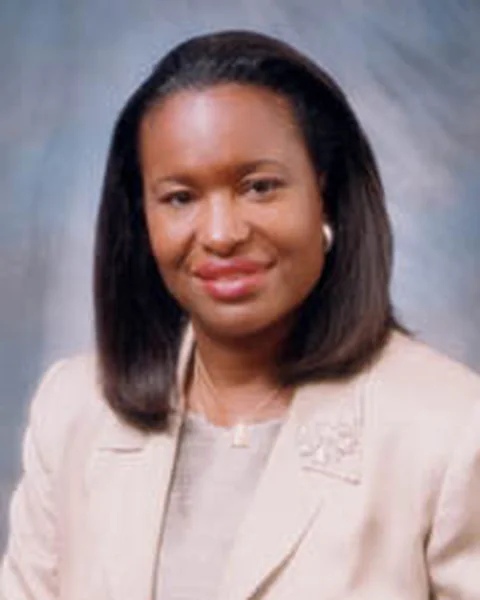
personpersonWanda Keyes HeardWanda Keyes HeardBaltimore City Circuit Court judge who presided over the 2000 trial.← All People
JudgeCourt

Wanda Keyes Heard

Judge Wanda Keyes Heard
Photo: Maryland State Archives

Baltimore City Circuit Court judge who presided over the 2000 trial.

Appeared2000 Retrial
7,985 lines·300 proceedings

About

Wanda Keyes Heard presided over Adnan Syed’s 2000 trial, questioning prospective jurors about publicity, impartiality, and hardship. She granted challenges for cause when prospective jurors could not set aside outside information. The State challenged the defense’s jury strikes, saying its last five were against white men. Heard denied the challenge after accepting race-neutral explanations and cautioned defense counsel about the appearance of the strikes.

Heard set limits on what witnesses could offer as expert opinions. She let the State question a school nurse outside the jury’s presence about her qualifications to say whether Syed was feigning a catatonic state, without lifting the existing limit on her testimony. Heard said she would still have to consider relevance and weigh prejudice against probative value even if the nurse qualified. In the cell-site testimony, Heard allowed Abraham John Waranowitz to identify which sites handled his test calls but initially barred conclusions from the State’s scenario testing because he had not tested the model at issue. She denied the defense motion to strike his testimony, allowed broad cross-examination on the test’s reliability, and later qualified him over a defense objection to testify about Nokia 6160 performance on the AT&T network.

Heard allowed the defense to ask Jay Wilds what he remembered about his plea proceeding and what benefits he believed he had been promised, including unwritten ones, while protecting privileged conversations with his lawyer. In a later ruling, she found that the proceeding did not amount to a guilty plea under the rule. She excluded the recording and transcript and allowed the docket entry to be marked for identification only. At the charge conference, the State objected to the defense’s proposed instruction about counsel for Wilds. Heard revised it and ultimately told jurors how to weigh any benefit they found.

Heard granted the defense motion for judgment of acquittal in part after the State rested and denied the renewed motion on the remaining counts. The robbery count went to the jury, but Heard found the proof of value insufficient for the theft count, and the State did not want the assault counts submitted. Heard instructed jurors to consider the charges separately, reminded them that the State had to prove guilt beyond a reasonable doubt, and told them that if they found Wilds was an accomplice, they had to determine whether his testimony was corroborated before considering it.

After closing arguments, Heard excused the alternates and told the seated jurors not to begin deliberating until all 12 were present. After the jury returned guilty verdicts for first-degree murder, kidnapping, robbery, and false imprisonment, Heard had the jury polled. Jurors then affirmed the verdicts collectively, and Heard continued Syed’s detention and set sentencing for April 5.

Trial Record (300)

20002000 RetrialJan 21, 2000 – Feb 25, 2000

Wanda Keyes Heard presided over Adnan Syed’s 2000 trial and allowed the defense to question Jay Wilds about benefits he believed he had been promised while protecting his privileged conversations with counsel. She instructed jurors to require corroboration before considering Wilds’s testimony if they found he was an accomplice.

Day 1

Day 2

sidebarQuestions About Juror 90’s Conversation21lines spoken

Summary

Cristina Gutierrez raised concern that Juror 90 had spoken with someone she thought was a Lee family member; Kevin Urick identified the man as Mr. Kim, the interpreter, and the juror said he did not know him and had mentioned jury selection without discussing the case.

Day 3

Day 4

sidebarRelevance of Schab’s Proposed Testimony30lines spoken

Summary

Urick said Syed spoke to Schab about concerns over his relationship with Hae Min Lee. Urick also said Syed confronted Schab over her assistance to detectives looking into Lee’s disappearance. The defense challenged the relevance of the proposed testimony.

Day 5

DirectRomano Thomas - Direct Examination on the Lincoln Park Scene and Vehicle EvidenceRomano ThomasKevin Urick62lines spoken

Summary

Crime lab technician Romano Thomas pointed out the approximate Lincoln Park burial site on a map, and prosecutor Kevin Urick placed a B sticker at that spot. Thomas described the inspection of Hae Min Lee's car. After clarifying how a close-up was taken, the judge admitted the rear-seat photographs. The detached map page was admitted separately, and Thomas showed the jury where it depicted Lincoln Park.

RedirectRomano Thomas - Redirect Examination on Site Visibility and Map-Page ProcessingRomano ThomasKevin Urick14lines spoken

Summary

Romano Thomas said he could see figures near the burial site from the roadway. He said the rear-seat area where he saw what appeared to be the map page in a photograph was within reach of someone in the driver's seat. The judge struck his first explanation for the page's discoloration, then admitted his later testimony after asking what he had observed.

Day 6

Day 7

Day 8

ProceduralReconsideration of Limits on Sharon’s Proposed Expert Testimony2highlights38lines spoken

Summary

Judge Heard allowed questioning on Sharon’s qualifications to give an opinion about whether Adnan Syed was faking a catatonic state, but left the earlier limit on her testimony in place.

Highlights (2)

rulingJudge Heard allows questioning about Sharon’s qualifications without reversing the earlier limit. She says that even if Sharon qualifies, relevance and the balance of prejudice and probative value remain to be considered.Open in transcript →
Quote“I think I kind of started that discussion at the end of the day, but I just want all counsel to be aware that just because I find that she's qualified, does not mean I'm still going to allow her to testify.”— Wanda Keyes HeardJudge Heard distinguishes the decision to hear about Sharon’s qualifications from the decision whether to admit her opinion.Open in transcript →

Day 9

sidebarAlleged Courtroom Remark to a Witness10lines spoken

Summary

After the judge relayed the sheriff’s report of a remark attributed to Adnan Masud Syed, the prosecutor sought to question the witness, arguing the remark was voluntary, made to a non-State agent, and relevant as an alleged threat; the judge did not know whether the witness heard it.

sidebarBenaroya’s Subpoena and Spectator Access48lines spoken

Summary

The court discussed whether Anne Benaroya could stay during her client Jay Wilds’s testimony and how the one-hour rule applied to spectators. Urick said Benaroya told him the defense had issued a subpoena for her. Gutierrez said Benaroya might become a witness.

Day 10

Day 11

ProceduralDefense Motion to Strike Waranowitz’s Testimony Denied1highlight10lines spoken

Summary

The judge denied the defense motion to strike Abe Waranowitz’s testimony, reaffirmed broad cross-examination on the reliability of his network test, and asked both sides to propose a jury instruction.

Highlights (1)

Quote“With regard to the Defense motion I won't strike Abe Waranowitz's testimony.”— Wanda Keyes HeardThe judge left the expert’s testimony in place despite her concerns about the network test.Open in transcript →
Jury InstructionCurative Jury Instruction on Pretrial Custody2highlights2lines spoken

Summary

Judge Heard instructed jurors not to consider the defendant’s pretrial custody status and reminded them that the State bore the burden of proof.

Highlights (2)

jury eventJudge Heard told jurors to disregard the defendant’s pretrial custody status and reminded them that the State bore the burden of proof throughout the trial.Open in transcript →
Quote“The pretrial status of the Defendant whether he's incarcerated or not is not relevant to this case in anyway and should not be considered by you in any way whatsoever with regard to the facts, circumstances, evidence or anything regarding this case.”— Wanda Keyes HeardThe judge expressly excluded custody status from the jury’s consideration after noting that jurors might have seen the defendant escorted by someone from Corrections.Open in transcript →
CrossAbraham John Waranowitz — Cross ContinuedAbraham John WaranowitzM. Cristina Gutierrez58lines spoken

Summary

Abraham John Waranowitz said his Erickson field tests showed which cell sites handled test calls from selected spots. A recorded cell site could point to a possible coverage area, but neither the billing records nor his test could pinpoint where the handset was during a recorded call. He had not tested the particular Nokia identified in court or structured his test to reproduce the recorded sequence of calls.

Day 12

sidebarInquiry Into Possible Juror Contact16lines spoken

Summary

The judge said no one on the panel indicated an approach when she asked. Urick suggested the person might have been excused Juror 6. Gutierrez said the earlier account pointed to someone else. The judge said the person’s identity was unknown.

sidebarInterview Notes and Detective Affidavit9lines spoken

Summary

Urick reported that Detective McGilvary took no notes during the interview before the taped statement and did not see Detective Ritz take any, while Gutierrez said she would need to call Ritz regardless of the affidavit if the trial reached that point by the 16th.

Day 13

ProceduralWilds Warned of Contempt for Further Juror Contact13lines spoken

Summary

After reported contact with jurors, the judge told Mr. Wilds he would be escorted and asked to sit in a designated place. She warned him of direct contempt if she found further contact and told him not to discuss his testimony with either side’s attorneys until he had finished testifying.

Voir DireDefense Questions Jay Wilds in the Jury-Absent HearingJay WildsM. Cristina Gutierrez27lines spoken

Summary

Outside the jury’s presence, Jay W. Wilds said Mr. Urick introduced him to Ms. Benaroya but that he chose her himself. The defense asked about his expectations of no-cost counsel, his doubts about her independence, and his later meeting with Judge McCurdy. Judge Heard allowed questions about how Ms. Benaroya became involved while limiting questions about privileged discussions.

Day 14

Day 15

CrossJay W. Wilds — Continued Cross-Examination by Cristina GutierrezJay WildsM. Cristina Gutierrez120lines spoken

Summary

Jay W. Wilds answered defense questions about his police interviews, warnings that he could face a murder charge, and Mr. Urick’s introduction to the lawyer who represented him. Gutierrez challenged the plea agreement’s statement about truthful answers in prior interviews. Judge Heard limited questions about Wilds’s dealings with his lawyer and noted the defense’s continuing objection.

Day 16

Day 17

sidebarHearsay and the Sellers Proffer8lines spoken

Summary

When the judge asked whether Sellers would testify, the defense said it had subpoenaed him and argued that the proposed testimony was not hearsay and could support its theory that Sellers was a viable alternative suspect.

CrossDetective Gregory MacGillivary - Cross-Examination Resumes After the Sellers RulingGregory MacGillivaryM. Cristina Gutierrez107lines spoken

Summary

Detective Gregory MacGillivary answered defense questions about the body finder’s suspect status and interview recordings, his interview with Adnan Syed, and how phone records led him to Jennifer Pusateri. The judge admitted the report of Syed’s interview and recessed with a question about Pusateri’s taped statement still pending.

Day 18

CrossCross-Examination of Gregory MacGillivary (Continued)Gregory MacGillivaryM. Cristina Gutierrez49lines spoken

Summary

Detective Gregory MacGillivary said Jennifer Pusateri mentioned Jay Wilds on February 26, but her taped interview the next day first gave him information connecting Wilds to Hae Min Lee’s death or disappearance. Pusateri attributed her account of those events to Wilds. The defense pressed MacGillivary on the steps police took to check her account, including a dumpster inquiry begun about six weeks after the events she described.

sidebarWitness Availability and Jury Release12lines spoken

Summary

Gutierrez wanted to call Anne Benaroya first because she had traveled from Montgomery County after being asked to appear, while Urick said the State planned a motion in limine concerning her and the custodian of records for the Circuit Court tapes.

Day 19

Day 20

sidebarJury Instruction on Polygraph Reference9lines spoken

Summary

After a witness volunteered a polygraph reference, the defense asked that jurors be told not to infer whether a test was given, what it showed, or whether it affected the investigation, while the State argued that another instruction would draw undue attention to the remark.

sidebarFoundation for Admitting the Journal12lines spoken

Summary

The defense sought to establish the journal as a prior recorded statement made when there was no motive to lie, while the judge explained that the witness had already answered questions about later contact with detectives.

Day 21

ProceduralAdnan Syed Elects Not to Testify17lines spoken

Summary

Adnan Syed chose not to testify after reviewing his rights with defense counsel. The State said it would not offer rebuttal if any counts moved forward, and the judge outlined plans for motions and a charging conference.

Day 22

Jury InstructionFinal Jury Instructions on Evidence, the Burden of Proof, and the Charges1highlight6lines spoken

Summary

Judge Heard explained reasonable doubt, when jurors could rely on Jay Wilds’s testimony, and what the State had to prove for each charge. She instructed jurors to consider the charges separately and record only unanimous verdicts.

Highlights (1)

Quote“If you find that Jay Wilds was an accomplice but that his testimony has not been corroborated, you must disregard it and you may not consider it as evidence against the Defendant.”— Wanda Keyes HeardThe instruction made corroboration a condition for using Wilds’s testimony against Adnan Syed if jurors found that Wilds was an accomplice.Open in transcript →
sidebarObjections to Jury Instructions12lines spoken

Summary

The prosecution flagged omitted instructions on motive and consciousness of guilt; the defense renewed its request for an instruction on concealment of evidence and its objection to the second-degree instruction, and argued that the reasonable-doubt wording could sound like a comment on the State’s proof.

Jury InstructionFinal Jury Instructions Resumed: Reasonable Doubt, Concealment, and Motive1highlight2lines spoken

Summary

Judge Heard clarified the State’s burden of proof, explained how jurors could weigh possible concealment and motive, and gave directions for deliberations and returning a verdict before closing arguments.

Highlights (1)

jury eventJudge Heard clarified that proof beyond a reasonable doubt required more than a slight tipping of the scales, that the burden stayed with the State throughout the trial, and that the defendant did not have to prove innocence.Open in transcript →
VerdictGuilty Verdicts and Jury Poll6lines spoken

Summary

The jury found Adnan Syed guilty of first-degree murder, kidnapping, robbery, and false imprisonment. After an individual poll and collective confirmation, Judge Heard set sentencing for April 5 and continued Syed’s detention.